
Union and Confederate Personalities
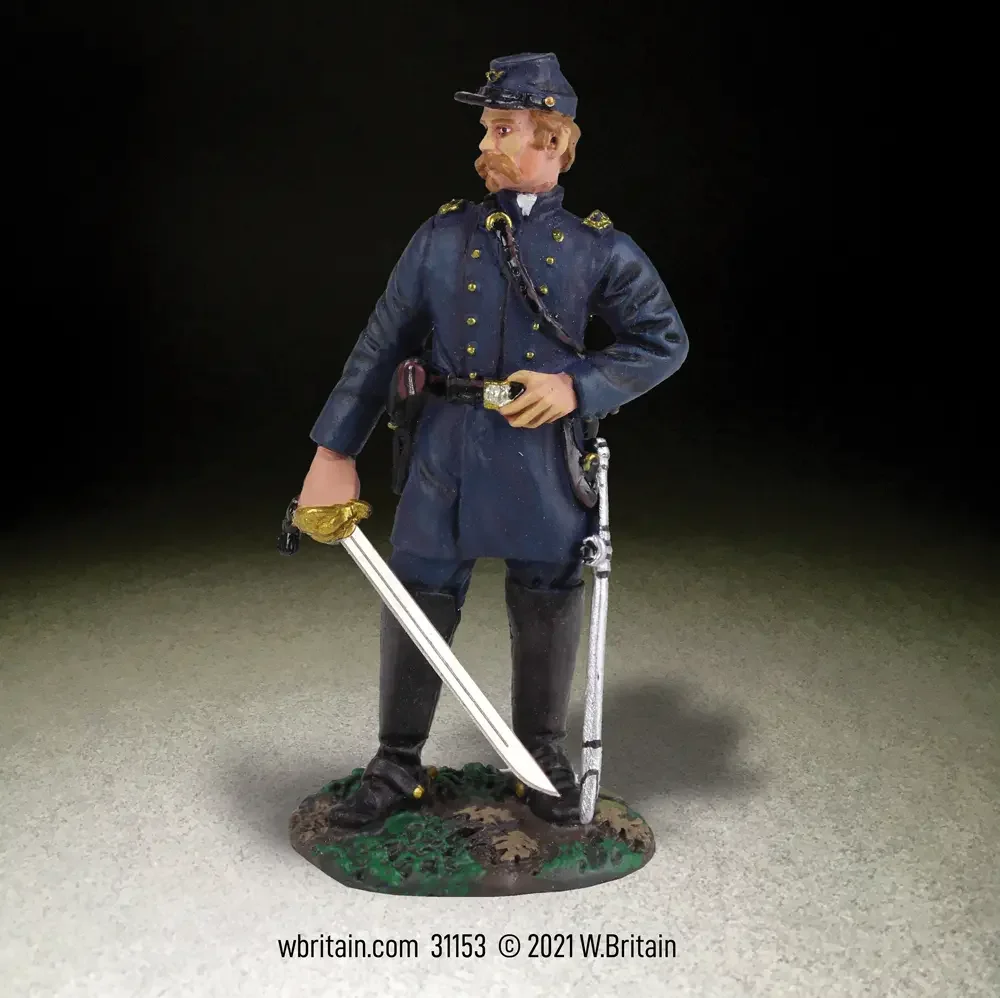
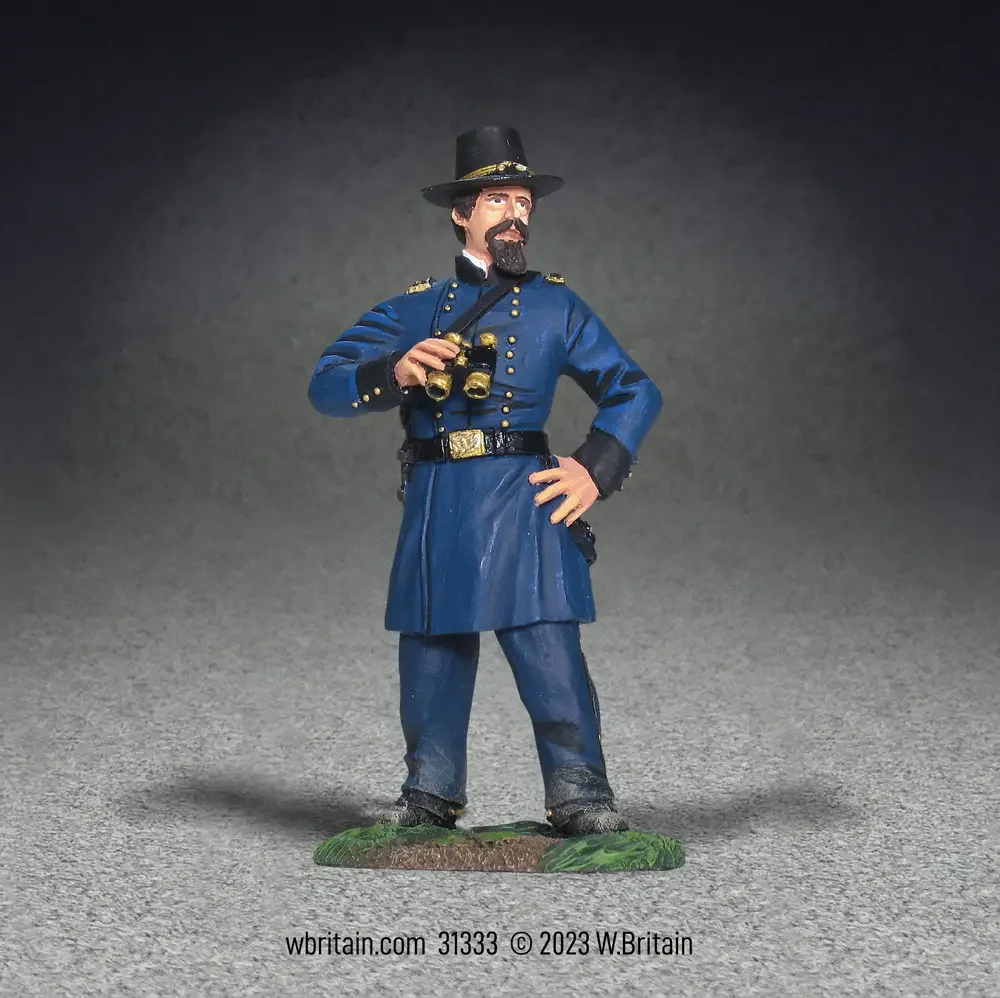

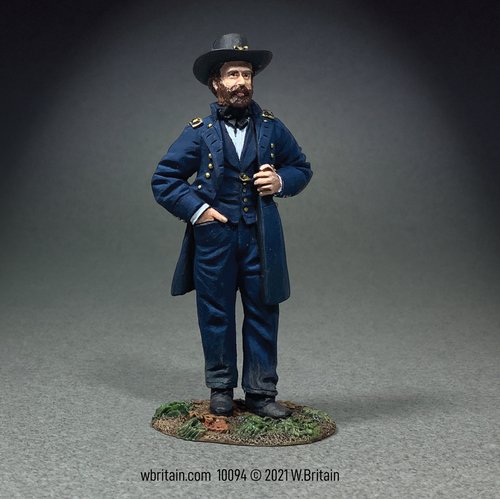
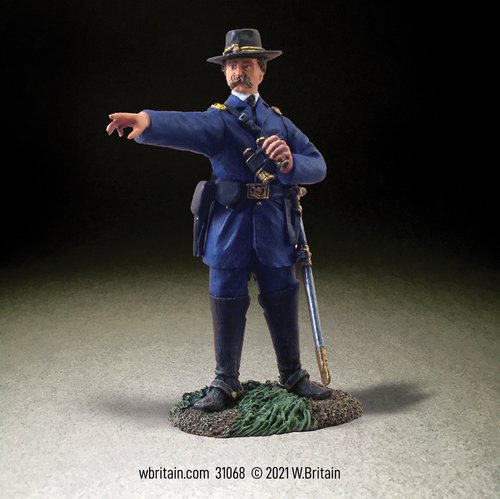
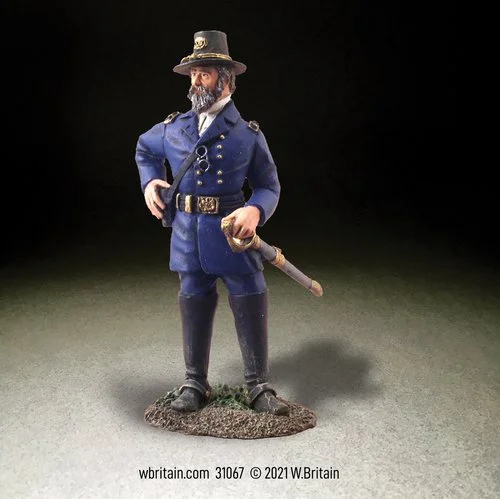
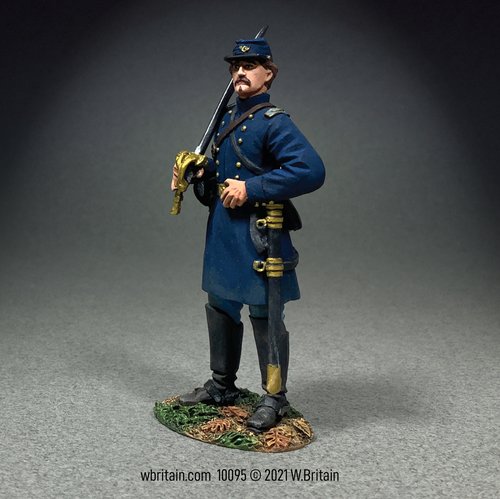
Colonel Robert Gould Shaw, 54th Massachusetts Infantry, American Civil War
From a prominent Boston abolitionist family, Shaw accepted command of the 54th Massachusetts in 1863, the first all-black regiment from the Northeast. Shaw was a strict disciplinarian. After much hard and rigorous training, his men were prepared for battle. Sent south, they would take part in an attempt to take Charleston, but to do so, they would have to capture a defending fortification called Battery Wagner. As Shaw mounted a parapet and urged his men forward he was shot through the chest three times, some Confederate reports claim he was hit as many as seven. The fighting continued until 10 p.m. when the Union forces withdrew, having suffered heavy losses – the 54th suffering the greatest. Shaw was interred with his men in a mass grave. But what was meant as a slight was seen by his father as, “befitting his role as a soldier and a crusader for emancipation.”
1/30 scale
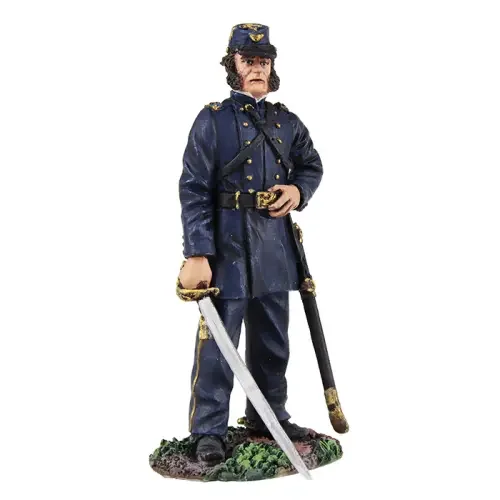


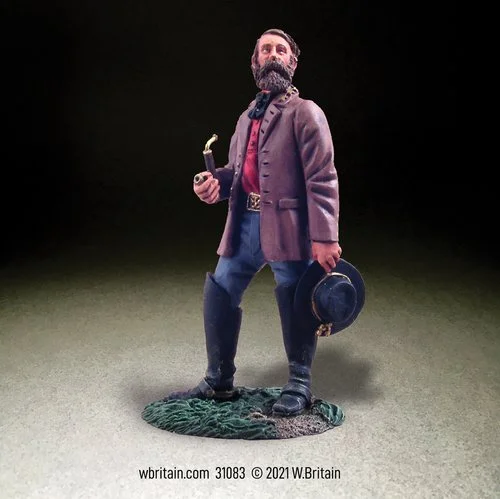


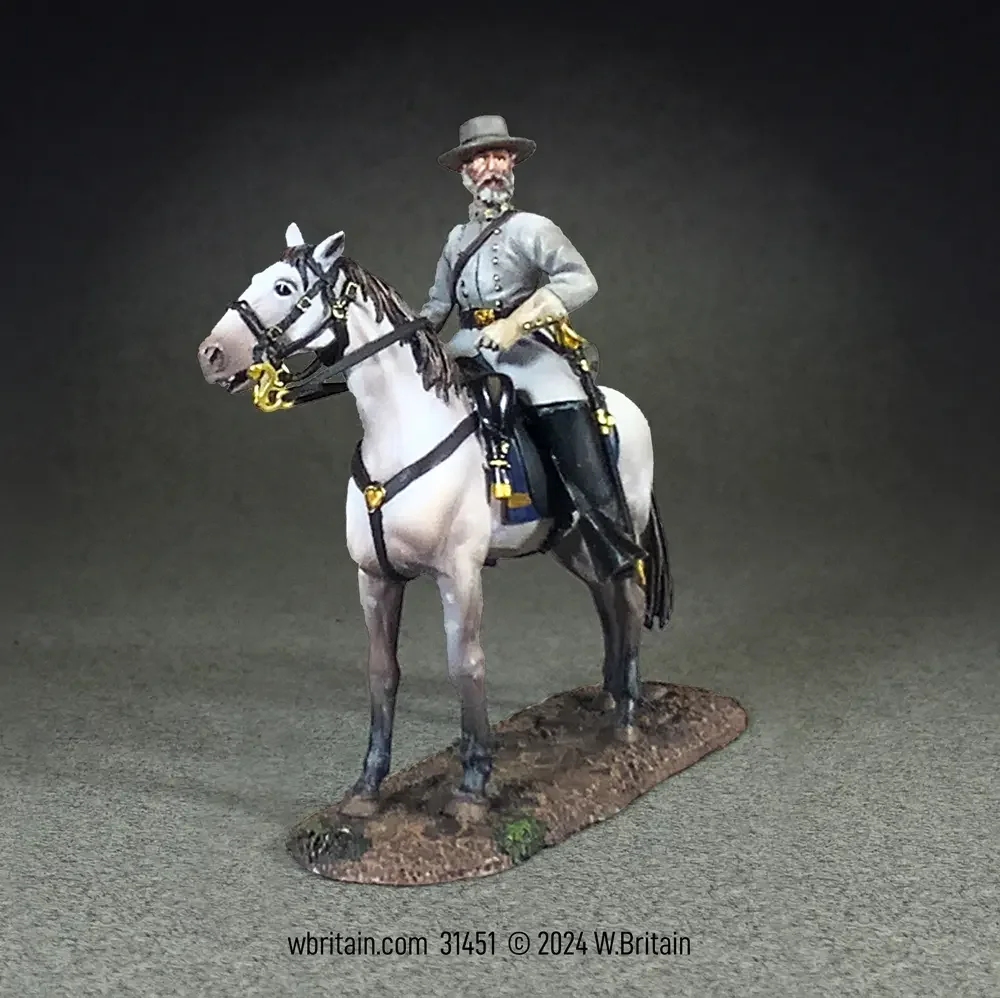
Confederate General Robert E. Lee, Mounted
Arguably, the most famous horse during the American Civil War was Robert E. Lee’s primary mount, Traveller. He was a gray American Saddlebred of 16 hands (64 inches, 163 cm), notable for his speed, strength, and grace under fire. Difficult to frighten, his steady demeanor made him a good horse for an officer in the heat of battle. However, at the Second Battle of Bull Run, while Lee was at the front reconnoitering, dismounted, and holding Traveller by the bridle, the horse was uncharacteristically spooked. Rearing up and lunging forward he pulled Lee down, breaking both of his hands. After the war, Traveller accompanied Lee to Washington College in Lexington, Virginia. Traveller outlived Lee by only a few months.
1/30 Scale
Matte Finish
Single Figure in Box

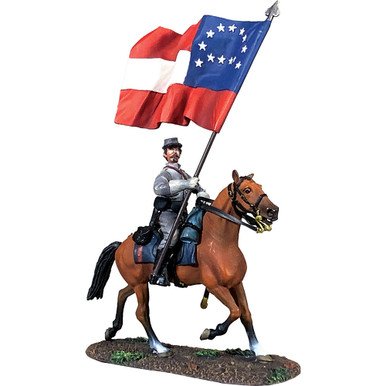
Confederate General Lee’s Headquarters Flag, Mounted Flagbearer, No.2
This wool and cotton banner served as the headquarters flag for General Lee from June 1862 until the summer of 1863. Its design is similar to the First National Flag, or the “Stars and Bars,” which featured red and white horizontal bars and white stars on a blue canton. The stars are arranged in the “Bread of Life” pattern. The flag’s 13 stars represent the 11 states of the Confederacy, along with Missouri and Kentucky, so called border states. The flag was believed to have been sewn by Lee’s wife, Mary Custis Lee and the couple’s daughters. Lee replaced this banner with a new headquarters flag after the Confederate government adopted the Second National Flag in May 1863.
1/30 Scale
Matte Finish
Single Figure in Box
W. Britains
❋
Union Generals
❋
Confederate Generals
❋
1/30 Scale
❋
W. Britains ❋ Union Generals ❋ Confederate Generals ❋ 1/30 Scale ❋